

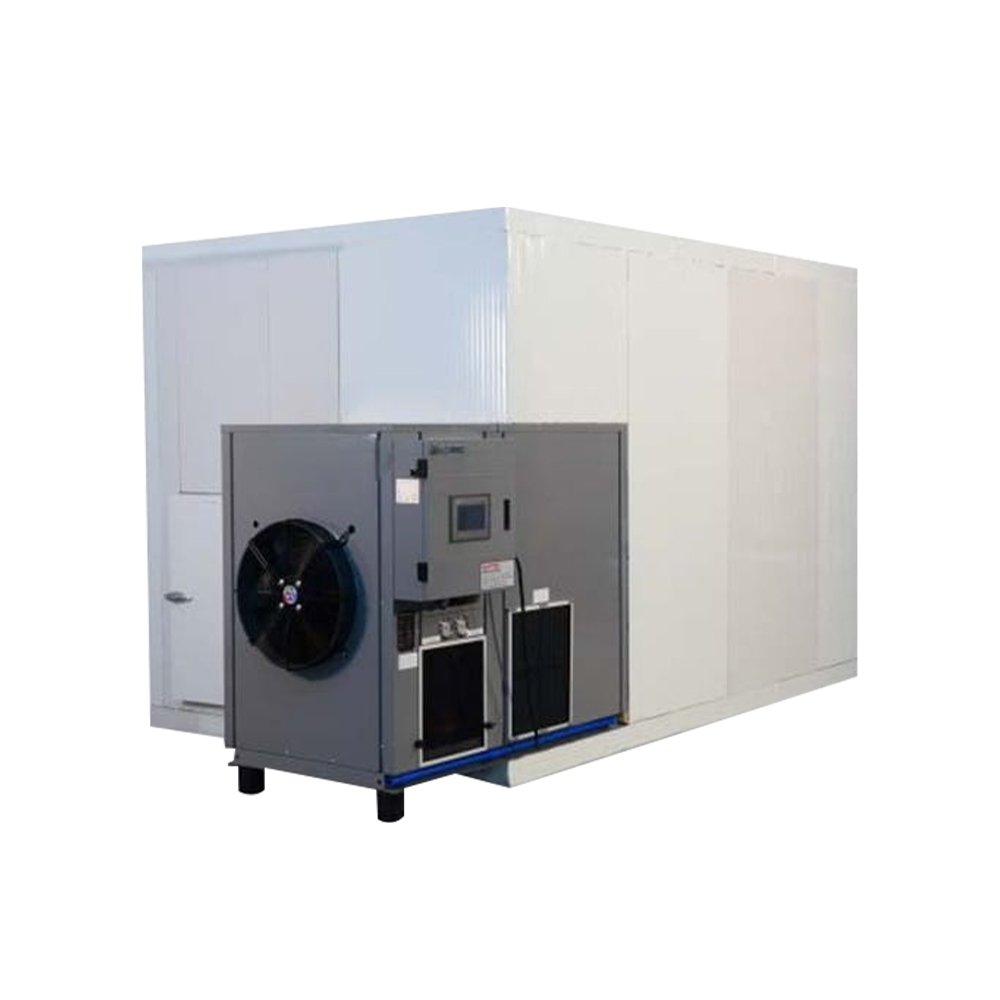
Fruit and Vegetable Dehydration Plant
Our fruit and vegetable dehydration plant is designed with advanced technology to efficiently remove moisture while preserving natural flavor, color, and nutrients. Engineered for reliability and hygiene, it ensures uniform drying with minimal energy consumption. Ideal for producing high-quality dried fruits, vegetables, and powders, our plant offers customizable solutions for businesses seeking efficiency, sustainability, and superior product quality.
Product Models – Blacknut Dehydration Plant:
• Model: BDM-18
• Model: BDM-36
• Model: BDM-96
• Model: BDM-192
Download Product Brochure
Download Brochure – Fruit & Vegetable Dehydration PlantDescription
A fruit and vegetable dehydration plant is an essential solution for businesses looking to preserve fresh produce, reduce post-harvest losses, and create value-added food products. Dehydration is a globally accepted food preservation method that works by removing moisture from fruits and vegetables, thereby slowing microbial growth and enzymatic activity. This process helps extend shelf life while retaining the natural characteristics of the produce when done under controlled conditions.
Blacknut offers professionally engineered dehydration solutions designed for commercial and industrial use. Blacknut dehydration plants are built to support consistent drying, hygienic processing, and scalable production for food processors, agri-entrepreneurs, and export-oriented businesses.
Understanding How a Fruit and Vegetable Dehydration Plant Works
A fruit and vegetable dehydration plant operates on controlled hot-air drying principles, one of the most widely used and scientifically validated methods in the food processing industry. Cleaned and prepared fruits or vegetables are placed inside drying chambers, where regulated temperature, airflow, and time remove moisture uniformly.
It's crucial to keep exact control over these factors. Excess heat can damage color and texture, while insufficient airflow may cause uneven drying. Blacknut plants are designed to maintain stable drying conditions, helping processors achieve consistent results across batches.
Importance of Dehydration in Modern Food Processing
The use of a dehydration plant is common in food industries worldwide due to its practical and economic benefits. Fruits and vegetables that have been dehydrated are frequently used in:
• Foods that are ready to cook and consume
• Snack manufacturing
• Spice and vegetable powder production
• Bakery and confectionery products
• Institutional and export food supply
By reducing moisture, dehydration significantly increases shelf life, which aligns with food preservation guidelines published by organizations such as FAO and USDA.
Fruit and Vegetable Dryer Machine for Commercial Operations
A commercial fruit and vegetable dryer machine must deliver uniform drying while meeting food safety and hygiene requirements. Blacknut designs its systems using food-grade materials and layouts that support easy cleaning and safe handling.
These machines are suitable for drying a wide variety of produce, including apples, bananas, mangoes, onions, garlic, carrots, tomatoes, and leafy vegetables. Controlled drying helps maintain structural integrity and usability of the final product for further processing or packaging.
Dedicated Fruit Dryer Machine for Value-Added Products
A fruit dryer machine is especially valuable for businesses focusing on dehydrated fruit slices, chips, or ingredients used in cereals and snacks. Fruits generally require precise temperature management to prevent excessive browning or texture loss.
Blacknut fruit dryer machines are engineered to support gradual moisture removal, helping processors achieve stable drying outcomes that align with industry-accepted food technology practices.
Vegetable Dryer Machine for Consistent Processing
Vegetables often vary in density and moisture content, making controlled drying essential. A commercial vegetable dryer machine allows processors to dry vegetables evenly, ensuring suitability for powders, flakes, or rehydration-based products.
Blacknut vegetable dryer systems are structured to handle batch consistency, making them suitable for long-term production planning and standardized output.
Key Features of Blacknut Dehydration Plants
Blacknut dehydration systems are developed with commercial practicality in mind. Core features typically include:
- Controlled temperature and airflow systems
- Hygienic, food-grade construction
- Batch consistency and uniform drying
- Scalable configurations for different production volumes
- Energy-efficient operational design
These features support businesses in maintaining product quality while meeting operational efficiency goals.
Commercial Benefits of a Fruit and Vegetable Dehydration Plant
Installing a fruit and vegetable dehydration plant offers measurable business advantages when aligned with proper processing standards:
Reduction in post-harvest losses
Dehydration removes excess moisture from fruits and vegetables, which slows spoilage and microbial activity, significantly reducing post-harvest waste.
Longer shelf life for seasonal produce
By lowering moisture content, dehydration extends the shelf life of seasonal fruits and vegetables from days to several months without continuous refrigeration.
Ability to create value-added products
Dehydrated produce can be processed into slices, flakes, or powders, allowing businesses to develop ready-to-use and packaged food products.
Easier storage and transportation
Reduced moisture lowers product weight and volume, making storage more efficient and transportation more cost-effective over long distances.
Support for year-round production cycles
Dehydrated raw materials can be stored and used during off-seasons, enabling continuous production and consistent supply throughout the year.
Dehydration is widely recognized as a cost-effective preservation method compared to cold storage for long-term holding of fruits and vegetables.
Applications Across Food Industry Segments
Blacknut dehydration plants are suitable for a wide range of commercial users:
- Food processing units
- Agro-based startups
- Spice and powder manufacturers
- Export-oriented food businesses
- Institutional kitchens and suppliers
A properly designed fruit and vegetable dehydration plant enables businesses to meet consistent supply demands while adhering to food safety expectations.
Why Choose Blacknut Dehydration Solutions
Choosing the right equipment supplier is as important as choosing the technology itself. Blacknut focuses on delivering dehydration solutions that align with established food processing principles rather than unverified claims.
By integrating a fruit and vegetable dryer machine, fruit dryer machine, or vegetable dryer from Blacknut, businesses gain access to systems built for durability, hygiene, and controlled performance.
A fruit and vegetable dehydration plant is a proven solution for preserving produce, reducing waste, and supporting value-added food production. When implemented with controlled drying conditions and hygienic design, dehydration aligns with global food preservation standards.
Upgrade with Blacknut Today
Frequently Asked Questions
A fruit and vegetable dehydration plant is a food processing system that removes moisture from produce using controlled heat and airflow to extend shelf life and reduce spoilage.
It works by circulating hot air at controlled temperatures around fruits or vegetables, gradually reducing moisture while maintaining product stability and usability.
A fruit and vegetable dryer machine is a component used for drying, while a dehydration plant is a complete setup that includes drying chambers, airflow control, and process management.
A fruit dryer machine can be used to dehydrate apples, bananas, mangoes, berries, and other fruits for slices, chips, or further processing.
A vegetable dryer machine is suitable for onions, garlic, carrots, tomatoes, leafy vegetables, and other produce used in powders, flakes, or ready-to-cook foods.
Dehydration significantly reduces moisture, which limits microbial growth and lowers storage and energy costs compared to continuous refrigeration.
Latest Products
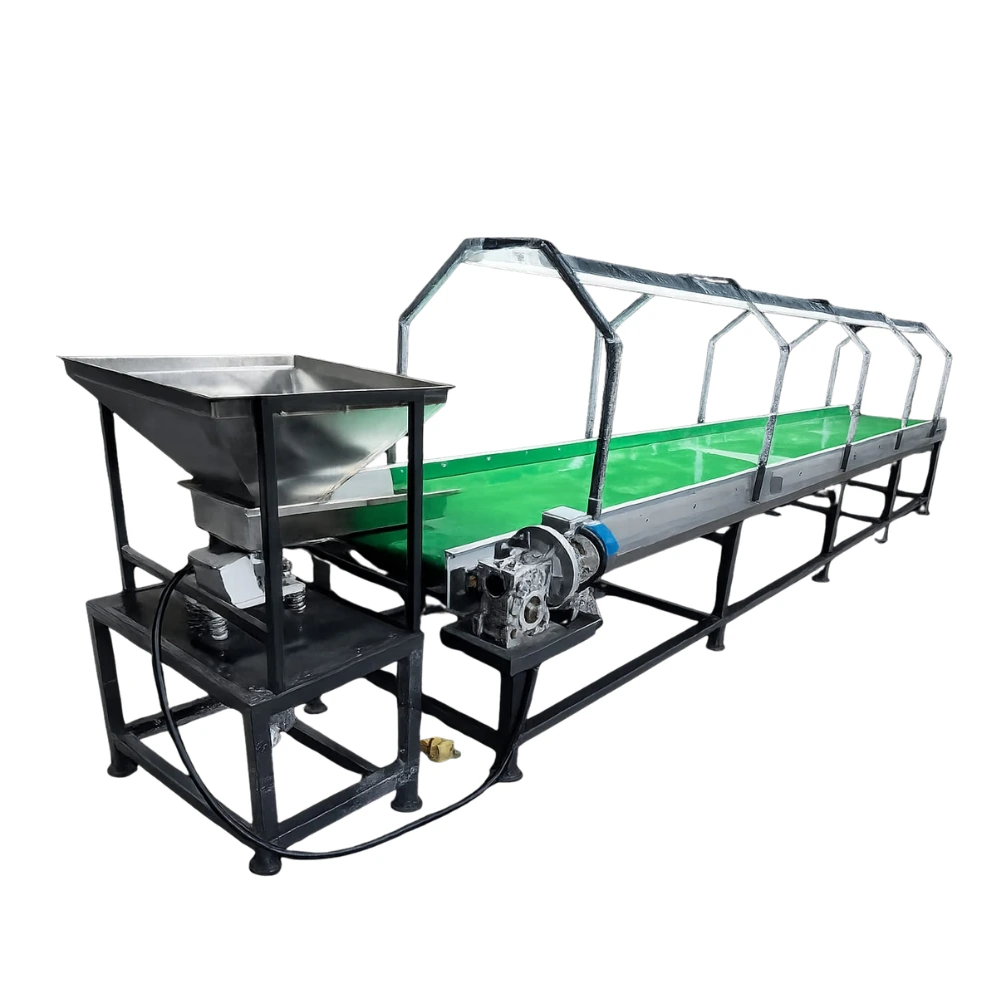
Makhana Sorting machine
View Details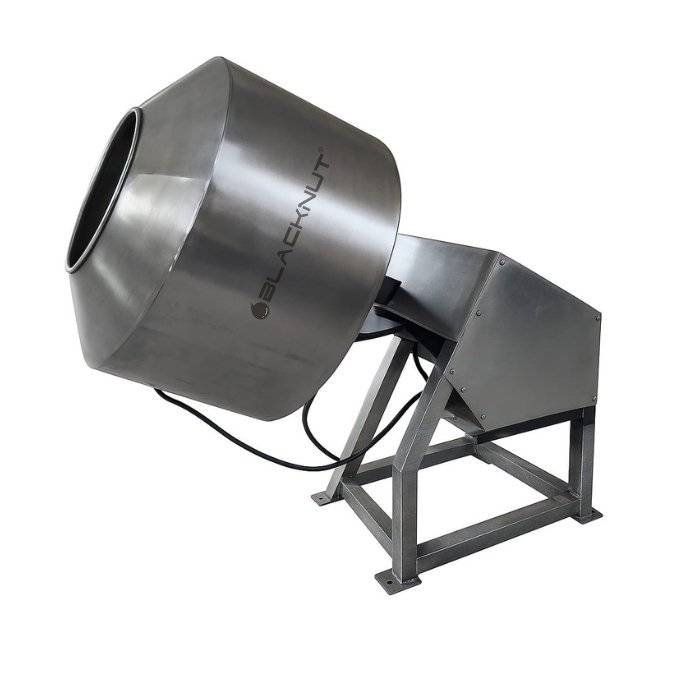
Makhana Roasting and Flavouring Machine
View Details
Makhana Processing Plant
View Details
Agricultural Drone
View Details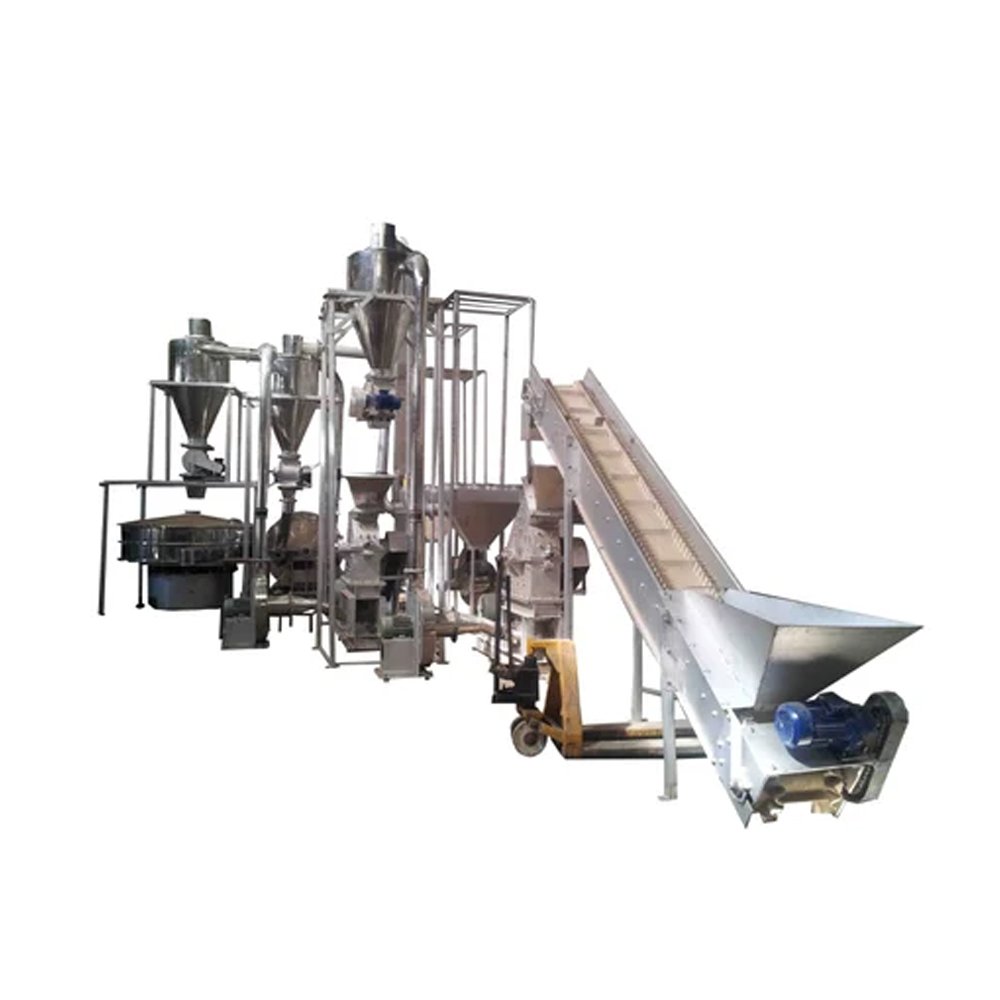
Spice Processing Plant
View Details
Apple Chips Plant
View Details
Fruit & Vegetable Powder Making Plant
View Details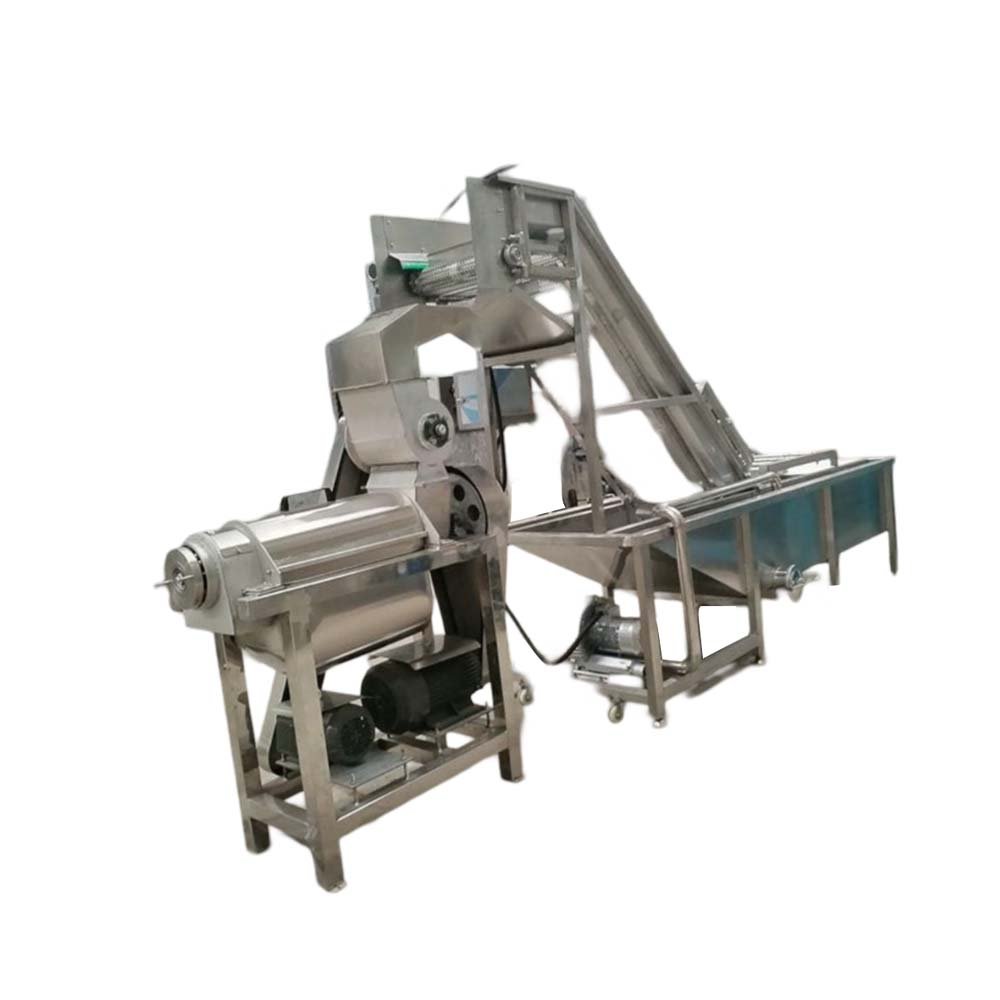
Fruit & Vegetable Pulp, Puree & Paste Making Plant
View Details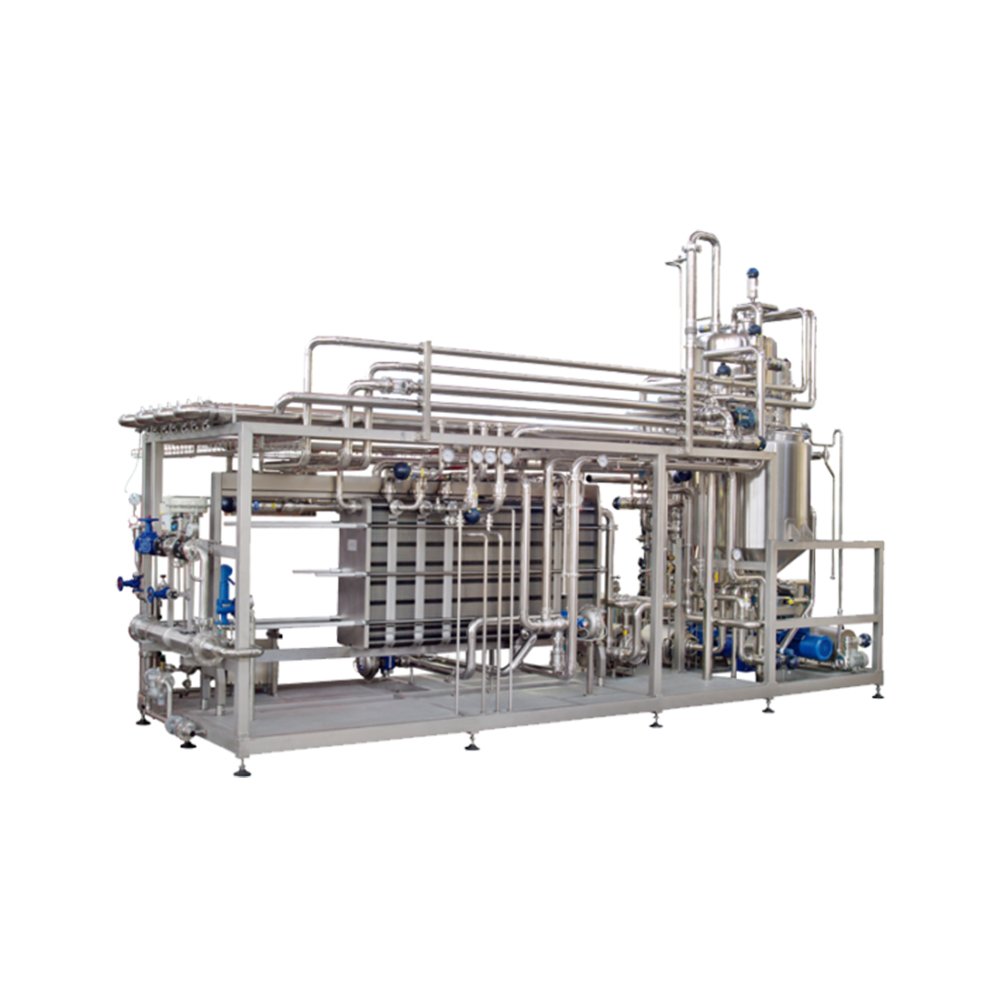
Tomato Ketchup Making Plant
View Details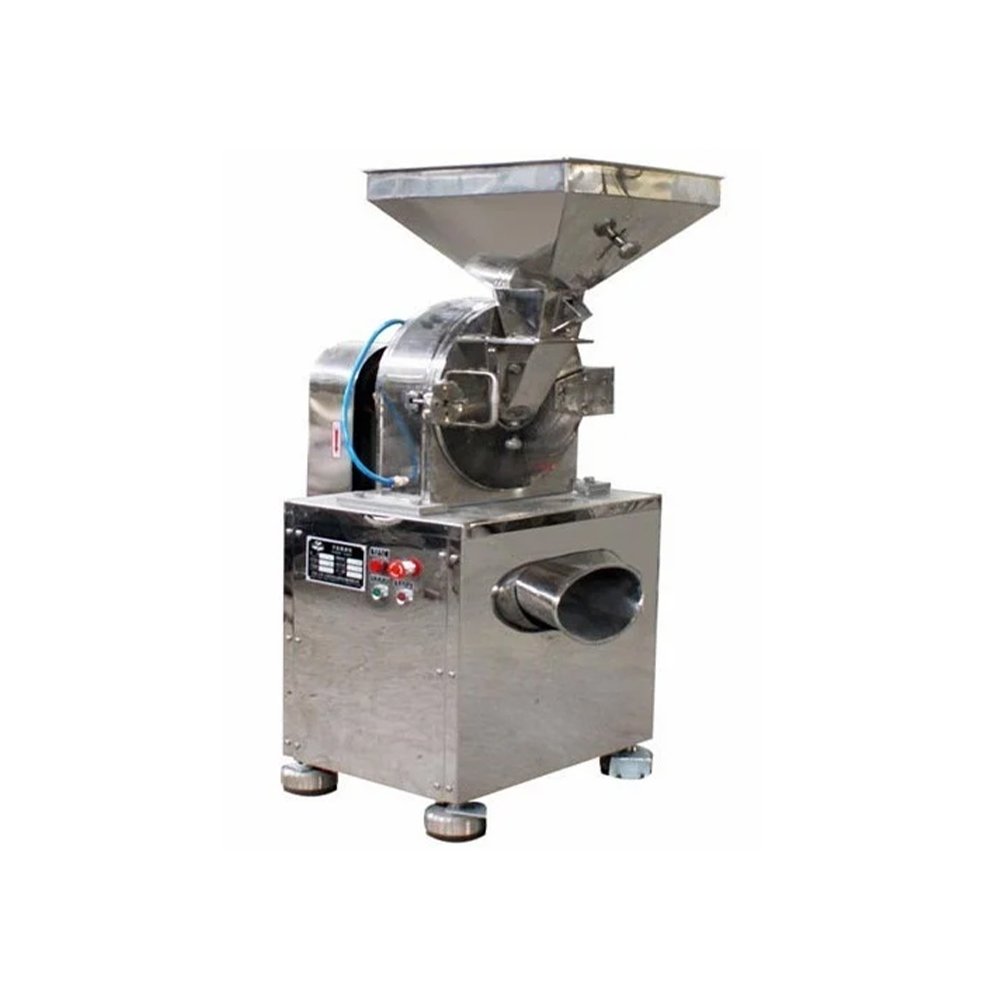
Ginger Garlic Onion Paste Plant
View Details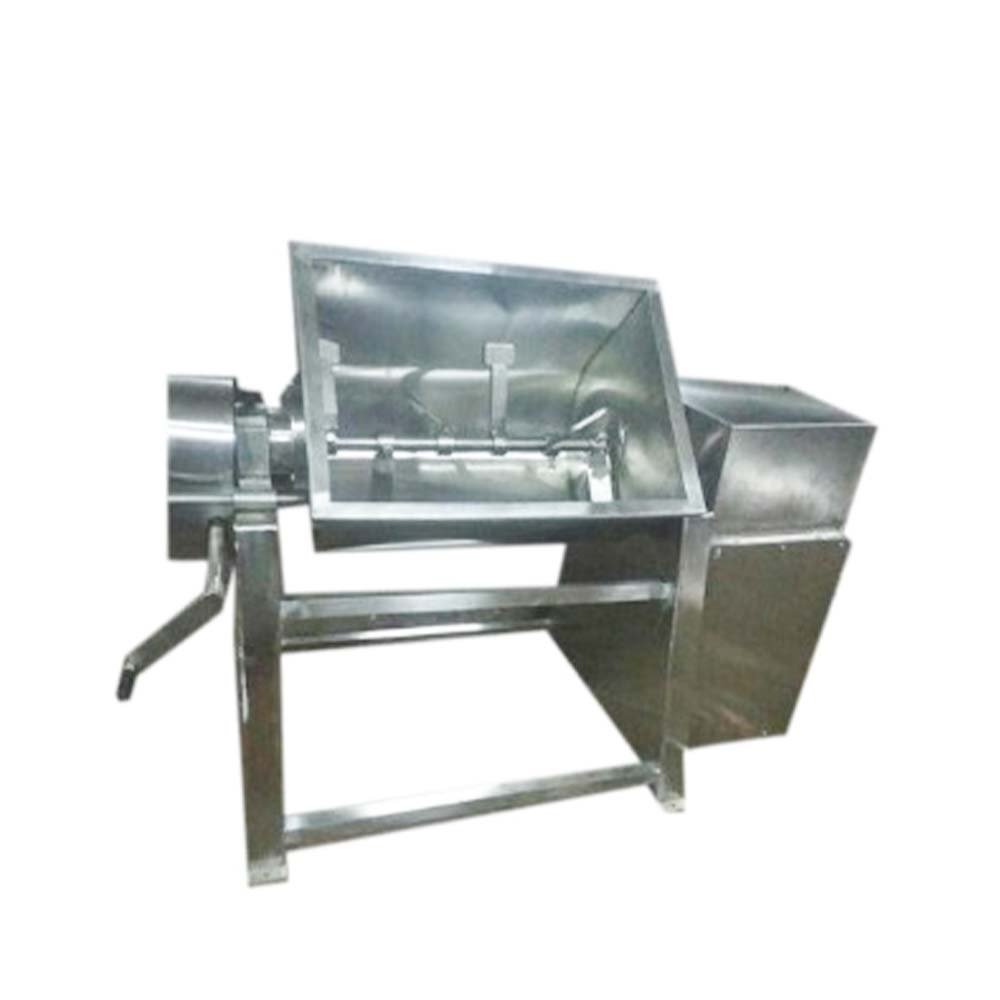
Pickle Making Plant
View Details
Fruit & Vegetable Grading Machine
View Details
Makhana Popping Plant
View Details
Makhana Grading Plant
View Details
Honey Processing Plant
View Details