
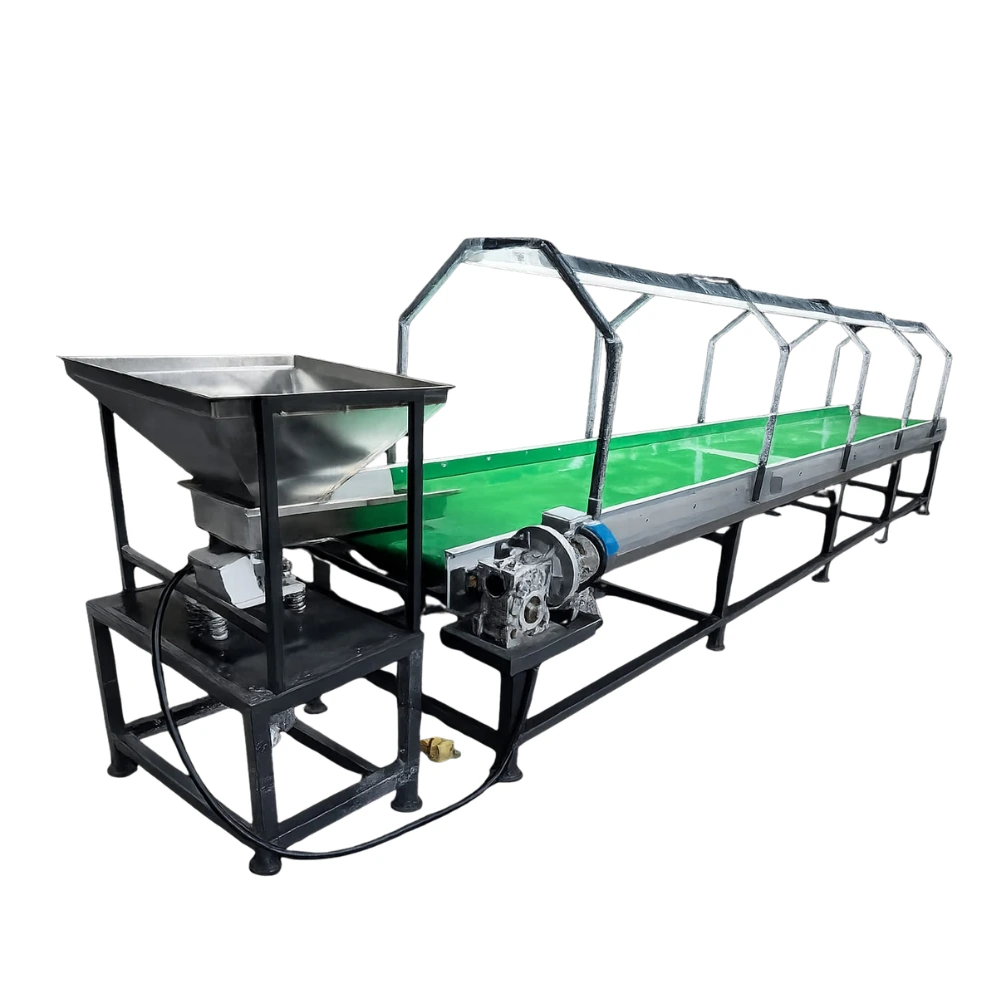
Makhana Sorting machine
Blacknut Makhana Sorting Machine — The Ultimate Solution for Quality, Speed & Profit
In the highly competitive makhana (foxnut) processing industry, quality and consistency are the keys to higher profits and better market value. After harvesting and drying, one of the most important steps before popping is sorting — removing unwanted broken, flat, or defective pieces from the good quality kernels. Sorting has historically been done by hand, which is labor-intensive, slow, and inaccurate. However, the modern makhana processing unit needs a reliable makhana sorting machine to eliminate defects and ensure uniformity before further processing.
Why Sorting Matters in Makhana Processing
Makhana processing involves multiple stages — cleaning, grading, roasting, popping, polishing, and packaging — and each stage impacts the final product quality. Before popping, it is crucial to remove undesired particles such as chapta (flat) danas and broken pieces. This sorting ensures that only good quality kernels enter the roasting and popping stages, leading to consistent texture, uniform puffing, and superior final product quality.
Description
Mechanized sorting helps standardize batches and reduces reliance on manual inspection, minimizing errors and increasing processing speed. Traditional manual grading and sorting are slow and often inconsistent, which can reduce product value and increase waste.
Introducing the Blacknut Makhana Sorting Machine
The Blacknut Makhana Sorting Machine is a robust, high-performance industrial solution engineered to efficiently separate and remove chapta, broken, and defective makhana from good-quality produce. Designed with precision and durability in mind, this machine dramatically improves product quality, boosts productivity, and significantly reduces manual labor. It is perfect for makhana processing units, food processing plants, and agro-based industries of all sizes — from small setups to large industrial facilities.
Key Technical Highlights:
- Machine Name: Makhana sorting machine
- Capacity for Processing: 250–300 kg per hour
- Stainless steel (SS) of food grade is used for contact parts.
- Operation: Continuous
- Design: Heavy-duty industrial design
- Power Requirement: Electric (motor excluded from warranty)
- Finish: Corrosion-resistant
- Standards: Meets industrial food-processing norms
The use of food-grade stainless steel ensures hygiene and safety, essential in food product processing to maintain quality and meet market standards. Continuous operation capability means the machine can handle high throughput without frequent stops, enabling efficient industrial production.
For a complete guide on starting your makhana business from scratch, read our full guide: How To Start Makhana Business In India
What Makes This Sorting Machine Stand Out
1. High Throughput for Faster Output
With a capacity of 250–300 kg per hour, the Blacknut Makhana Sorting Machine is built for serious production environments. Whether you are processing for domestic sale or preparing for export, high output means faster turnaround and increased profit potential.
2. Accurate Quality Separation
Accurate removal of broken and flat makhana is critical for consistent roasting and popping. Machines equipped for precise sorting enhance the uniformity of quality batches, ensuring every kernel left for further processing meets your quality benchmarks. This type of automation has long been recognized as a way to maintain uniform quality standards in food processing.
3. Reduced Labor and Lower Operational Costs
Sorting tasks traditionally require large teams of workers and can introduce human error. By mechanizing this crucial stage, processing units can reduce dependence on manual labor, cut operational costs, and free up manpower for other value-added tasks. Automated sorting machines also help reduce waste and optimize resource use.
4. Consistent Quality Means Better Market Value
Uniform sorting and removal of defects mean that downstream processes like roasting, popping, and packaging yield better results — both in appearance and taste. Uniform product quality allows processors to command higher prices in markets and satisfy more demanding buyers, including export markets.
5. Low Maintenance & Durable Design
Built with a heavy-duty industrial structure and corrosion-resistant finish, this sorting machine is designed for long life and trouble-free operation. The continuous operation model supports heavy production cycles, offering a reliable solution for those scaling up their processing units.
Real Impact on the Processing Line
Sorting is not just about removing bad pieces — it sets the tone for the entire processing line. Proper sorting ensures even roasting and popping, which is vital for high yields and premium product quality. Good sorting dramatically improves the efficiency of downstream machines in the line and minimizes defects and rejects.
This aligns with best-practice trends in the food processing world, where advanced food sorting machines are widely used across sectors like grains, nuts, fruits, and vegetables to enhance quality and ensure products meet safety and market standards.
Benefits You’ll See Immediately
Improved Final Makhana Quality: By ensuring only top-grade kernels proceed further in the processing line, you get a much more consistent and premium product every time.
Higher Productivity with Reduced Waste: Increased sorting speed means lower wastage and higher usable output per hour, translating to better profitability.
Faster Processing Times: Automated sorting significantly cuts down on sorting time compared to manual techniques, helping processors meet large order deadlines.
Cost-Effective Alternative to Manual Sorting: Investing in a sorting machine reduces labor costs, lowers error margin, and accelerates processing — giving you better ROI in the long run.
Reliable Continuous Operation: Built for continuous processing, this machine supports your needs for sustained industrial output without frequent downtime.
Support, Warranty & Training
Blacknut provides a 12-month warranty on manufacturing defects and dependable after-sales support to keep your operations running smoothly. While electrical components like motors are not covered, the machine structure and processing performance integrity are guaranteed.
Training is provided at the manufacturer’s premises before delivery, ensuring your team understands how to operate and maintain the machine effectively. Machine dispatch occurs only after successful inspection and training approval — a commitment to quality you can trust.
Why Choose Blacknut for Your Makhana Sorting Needs?
Blacknut AgriFood Machinery Pvt. Ltd. brings deep expertise in makhana processing machinery, combining robust build quality with advanced engineering to deliver solutions that boost productivity and profitability.
With a proven track record, strong after-sales support, and custom-focused industrial solutions, Blacknut machines are trusted by food processing units across India for reliable performance and consistent results.
A Machine That Pays for Itself
In today’s competitive makhana processing landscape, efficiency and quality are not optional, they are essential for success. The Blacknut Makhana Sorting Machine is more than just a piece of equipment: it’s a strategic investment that enhances product quality, reduces labor costs, boosts speed, and ultimately improves your business's bottom line.
Whether you’re a small start-up or a large industrial processor, upgrading to a mechanized sorting solution like Blacknut’s will help you produce market-ready products consistently and profitably.
Last Updated: 08-June-2026
Frequently Asked Questions
It is used to separate flat, broken, and defective makhana from good quality kernels. This improves overall grading and ensures only better kernels move forward for roasting and popping, resulting in higher quality output.
Sorting ensures that only uniform and good-quality kernels enter roasting and popping stages. This helps achieve better taste, texture, and appearance, which directly improves the market value of the final product.
By removing damaged and low-quality pieces early, it prevents mixing with good batches. This reduces wastage, lowers rejection rates from buyers, and helps maintain consistent quality.
Most industrial units handle around 250–300 kg per hour. The actual output depends on feed quality and operation conditions, making it suitable for continuous production.
Latest Products
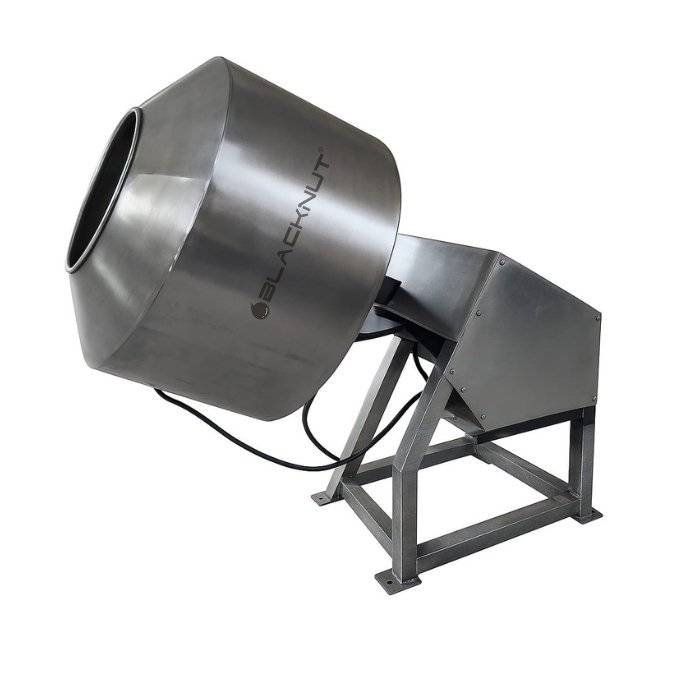
Makhana Roasting and Flavouring Machine
View Details
Makhana Processing Plant
View Details
Agricultural Drone
View Details
Spice Processing Plant
View Details
Apple Chips Plant
View Details
Fruit & Vegetable Powder Making Plant
View Details
Fruit & Vegetable Pulp, Puree & Paste Making Plant
View Details
Tomato Ketchup Making Plant
View Details
Ginger Garlic Onion Paste Plant
View Details
Pickle Making Plant
View Details
Fruit and Vegetable Dehydration Plant
View Details
Fruit & Vegetable Grading Machine
View Details
Makhana Popping Plant
View Details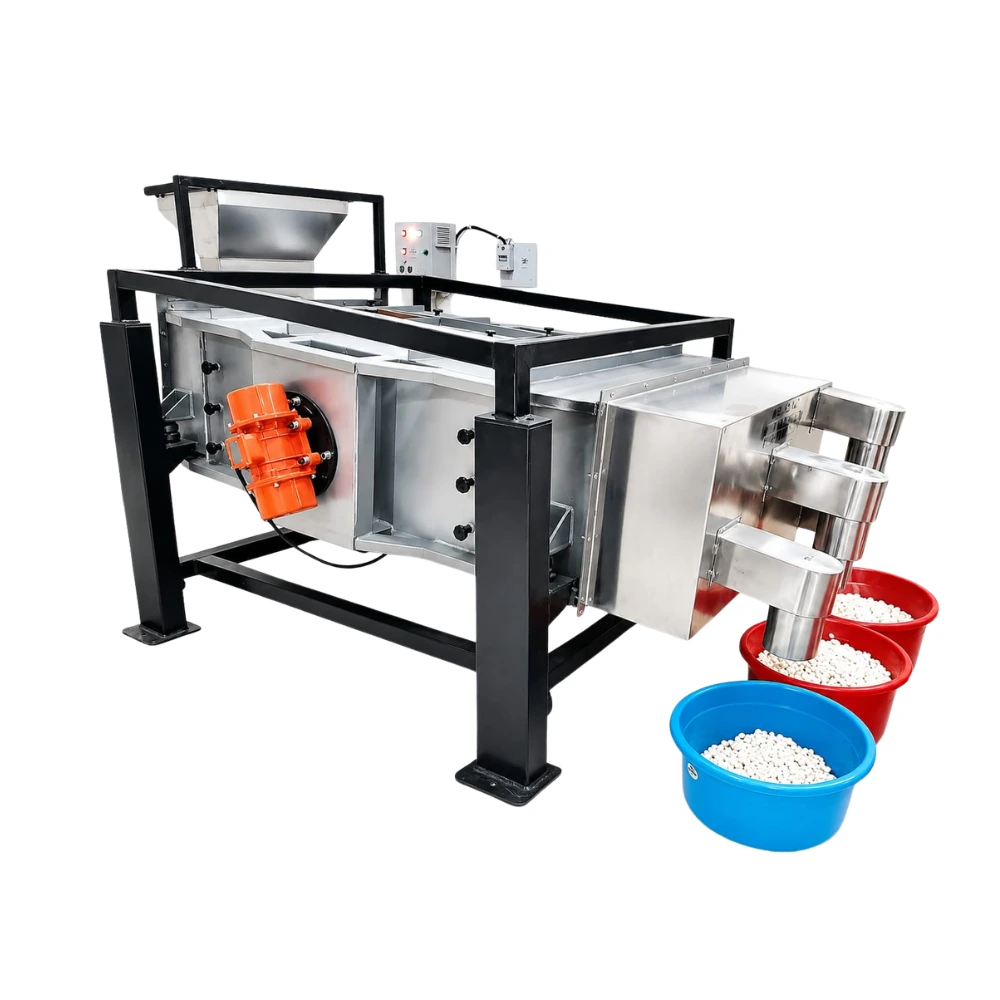
Makhana Grading Plant
View Details
Honey Processing Plant
View Details