
Makhana Grading Plant
Buy Makhana Grading Plant for Efficient and Profitable Makhana Grading
Makhana, popularly known as fox nut or gorgon nut, is one of India’s fastest-growing superfoods. With rising demand in health-conscious markets, fitness foods, and international exports, the quality of makhana plays a crucial role in maximizing profits.
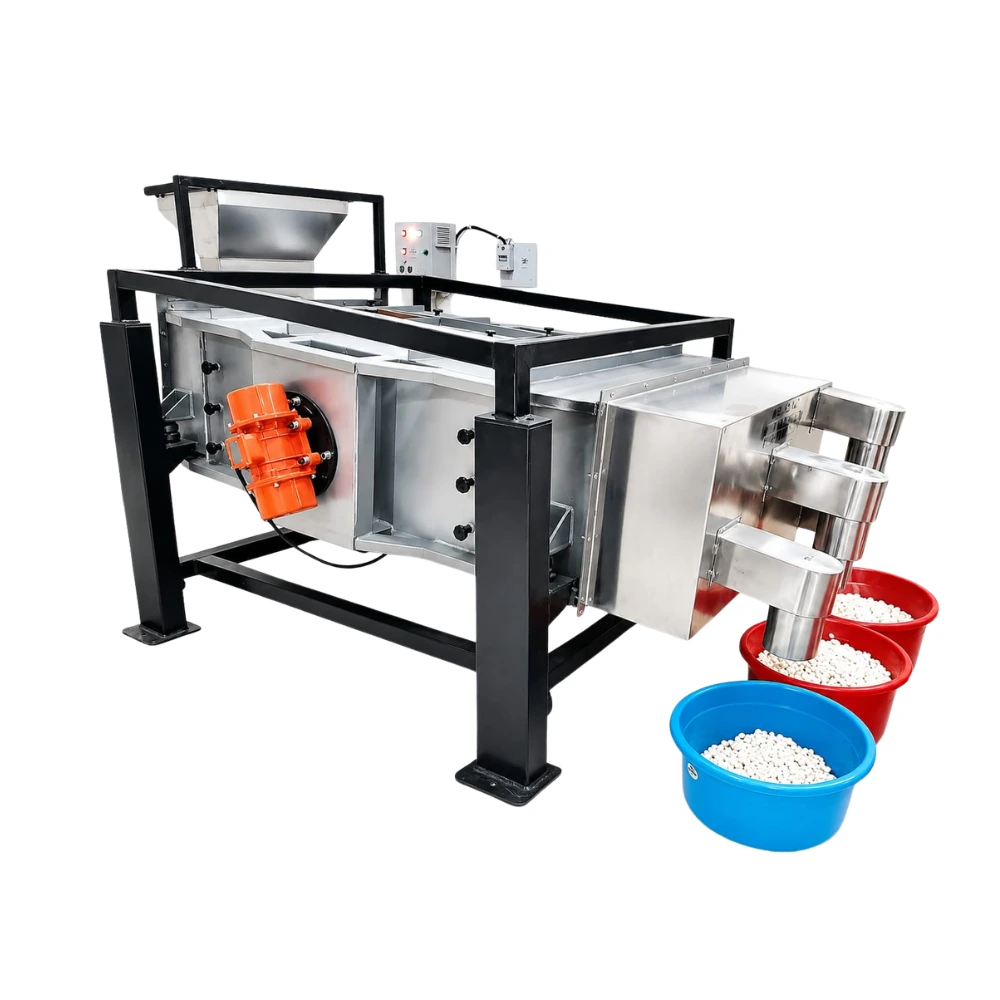
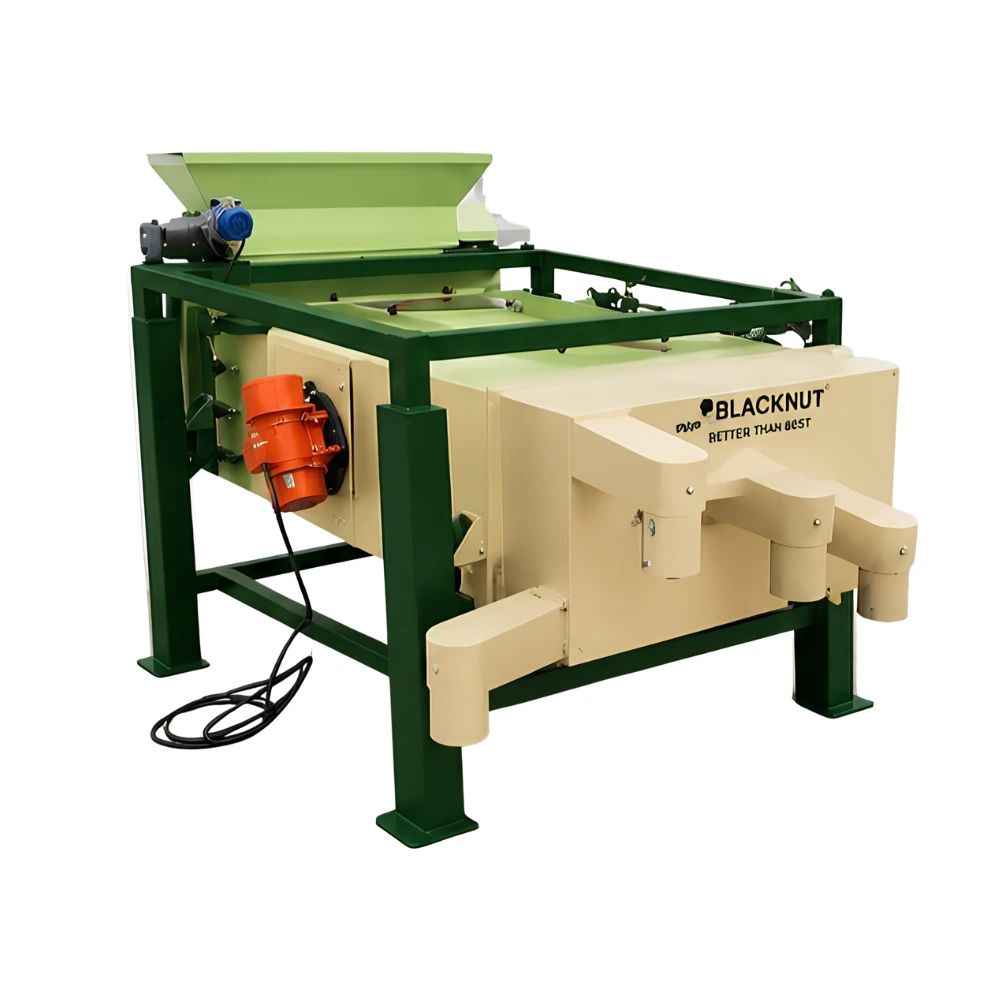
A makhana grading plant ensures uniformity, consistency, and high market value by automating the grading process. Blacknut Agrifood Machinery’s advanced makhana grading machine provides a modern, efficient, and reliable solution for processing makhana at both commercial and small-scale levels.
By integrating precision engineering, hygiene standards, and energy efficiency, Blacknut has redefined how farmers, cooperatives, and entrepreneurs process makhana, turning raw seeds into premium products with ease.
Description
Why Makhana Grading is Vital for Quality and Profitability
After popping, makhana seeds vary widely in size, shape, and texture. Manual grading is labor-intensive, inconsistent, and often results in significant wastage. Accurate grading is essential to meet both domestic and export standards.
A makhana grading plant automates this process, separating seeds into uniform categories such as Lava, Murra, and Thumri, each with distinct market value. Using a high-quality makhana grading machine, businesses can ensure:
Consistent Product Quality: Uniform size and texture appeal to buyers and create brand trust.
Reduced Labor Requirements: Automating grading minimizes manual effort and labor costs.
Enhanced Efficiency: High throughput ensures faster processing and greater daily output.
Higher Profits: Proper grading increases market value and allows access to premium buyers.
Investing in a modern makhana grading planttransforms raw makhana into a professional, market-ready product.
For a complete guide on starting your makhana business from scratch, read our full guide: How To Start Makhana Business In India
Features of Blacknut’s Makhana Grading Plant
Blacknut Agrifood Machinery has designed its grading plant with both efficiency and scalability in mind. The machines combine advanced technology with user-friendly operations to cater to a wide range of processing capacities.
Key features include:
Precision Multi-Layer Sieves: Accurately separates makhana seeds based on size and weight.
Food-Grade Stainless Steel Construction: Ensures hygiene and prevents contamination.
High Processing Capacity: Suitable for commercial units and large-scale exporters.
Energy-Efficient Design: Optimized to reduce electricity consumption.
Easy Maintenance: Simple structure with replaceable parts reduces downtime.
Scalable and Modular: Flexible configurations for small startups or large plants.
With these features, the Blacknut makhana grading machine provides reliability, durability, and consistent output across all processing stages.
Step-by-Step Makhana Grading Process
A complete makhana grading integrates multiple stages to ensure high-quality output:
1. Cleaning and Seed Preparation
Raw seeds are collected and cleaned using specialized machines that remove stones, mud, and husks. This ensures that only pure makhana proceeds to grading.
2. Roasting and Popping
Before grading, seeds are roasted and popped at controlled temperatures. Blacknut’s advanced machines guarantee uniform heat distribution, resulting in maximum expansion and better yield.
3. Grading
The makhana grading machine is the heart of the processing plant, responsible for separating makhana (fox nuts) into precise categories based on size, texture, and weight. This process is essential to maintain consistent quality and ensure that each batch meets market and export standards.
After roasting and popping, the makhana is passed through the grading machine, which separates the Makhana into different suttas (grades). These grades are classified size-wise using sieves or mesh screens of specific diameters.
The typical Makhana size grades are as follows:
No. 1 – Small Size (5–8 mm)
No. 2 – Medium Size (8–10 mm)
No. 3 – Large Size (10–12 mm)
No. 4 – Extra Large Size (12–14 mm)
No. 5 – Super Deluxe / Jumbo Size (Above 14 mm)
Each sutta grade is carefully collected in separate chambers to maintain uniformity. The larger grades (Sutta 4 and 5) are generally preferred for premium retail packaging and export, while smaller grades (Sutta 1 and 2) are often used for bulk sales, sweets, or snack manufacturing.
4. Polishing
After grading, Makhana passes through polishing machines that smoothen and brighten the surface. Polished makhana is visually appealing, ready for premium retail packs or international markets.
5. Optional Flavoring
For added value, businesses can flavor the graded makhana with masala, chocolate, cheese, or caramel. Blacknut provides integrated flavoring units for uniform taste and aroma.
6. Packaging
Finally, vacuum or nitrogen-flushed packaging preserves freshness and extends shelf life. Machines handle both small retail packs and bulk consignments for export.
This complete system ensures every batch of makhana is graded, polished, and packaged to meet market expectations.
Benefits of Investing in a Makhana Grading Plant
A modern makhana grading plant provides numerous advantages for entrepreneurs and farmers:
Higher Market Value: Properly graded makhana fetches 5–8 times the price of raw seeds.
Consistency and Branding: Uniform size and quality build trust with buyers.
Reduced Wastage: Automated grading minimizes loss compared to manual methods.
Export Readiness: Meets international standards for size and hygiene.
Lower Labor Costs: Machines reduce reliance on manual sorting.
Faster ROI: Efficiency and high throughput ensure quick payback.
By using a makhana grading machine, businesses can optimize productivity and achieve better profitability with minimal effort.
Why Blacknut Agrifood Machinery Stands Out
With over 21 years of experience in designing and manufacturing grading plant, Blacknut Agrifood Machinery is a trusted leader in the industry.
Expertise: Two decades of innovation in makhana mechanization.
Research & Development: Continuous improvement based on real-world feedback.
Customer Support: Comprehensive training, installation, and after-sales service.
Global Standards: Machines designed for Indian conditions but meeting international requirements.
Sustainable Solutions: Energy-efficient operations reduce power consumption and wastage.
Blacknut’s mission is to modernize India’s makhana industry, helping farmers, entrepreneurs, and exporters achieve higher efficiency and profits.
In Summary– Upgrade Your Makhana Grading Operations Today
The demand for high-quality makhana is rapidly increasing across India and abroad. A modern makhana grading plant from Blacknut ensures precise grading, consistent quality, and higher profitability for your business.
By investing in an advanced makhana grading machine from Blacknut Agrifood Machinery Pvt. Ltd., you can scale your operations, reduce labor dependency, and meet premium market standards with ease. Don’t let manual grading limit your growth — modernize your processing today with trusted technology and expertise from Blacknut.
Frequently Asked Questions
In India, a makhana grading machine typically starts from around ₹1.5 lakh and can go up to ₹6–8 lakh, depending on capacity, automation level, and grading accuracy.
A basic makhana processing plant usually costs between ₹8 lakh to ₹25 lakh. The final cost depends on plant capacity, level of automation, and included machines like grading, roasting, polishing, and packing.
Yes. The makhana business is profitable due to high demand, good market pricing, long shelf life, and strong domestic and export opportunities when processed and graded properly.
Makhana is graded based on size, shape, weight, and appearance. Grading machines separate makhana into different size categories to ensure uniform quality for retail and export markets.
Why Buyers Choose Blacknut
Certifications, field presence and customer experience behind every processing solution.


Latest Products
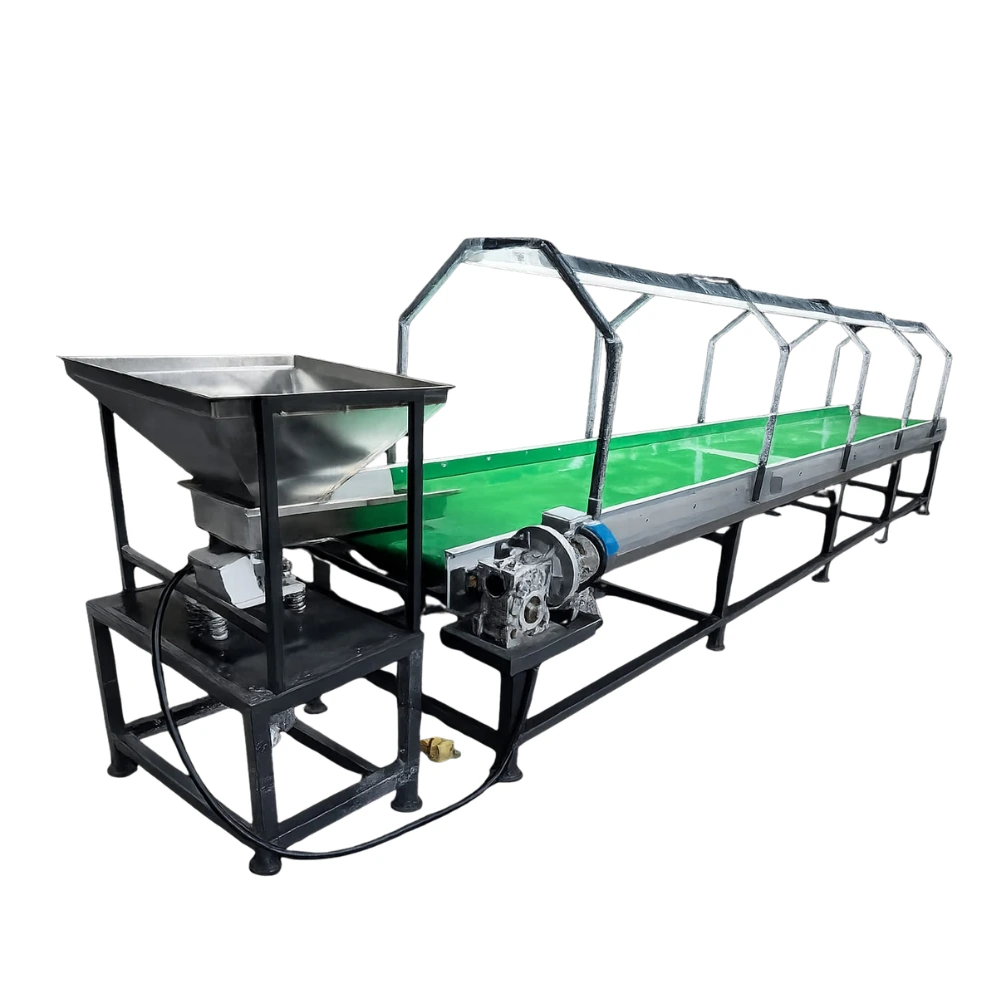
Makhana Sorting machine
View Details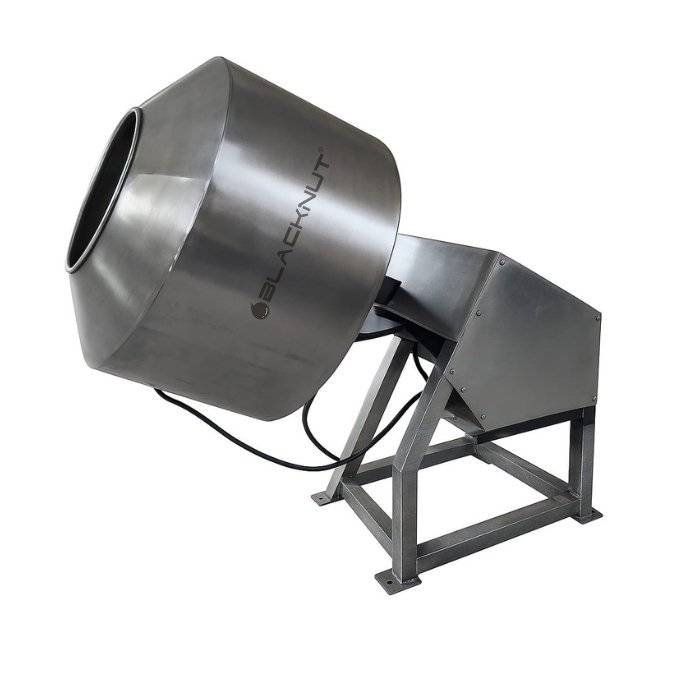
Makhana Roasting and Flavouring Machine
View Details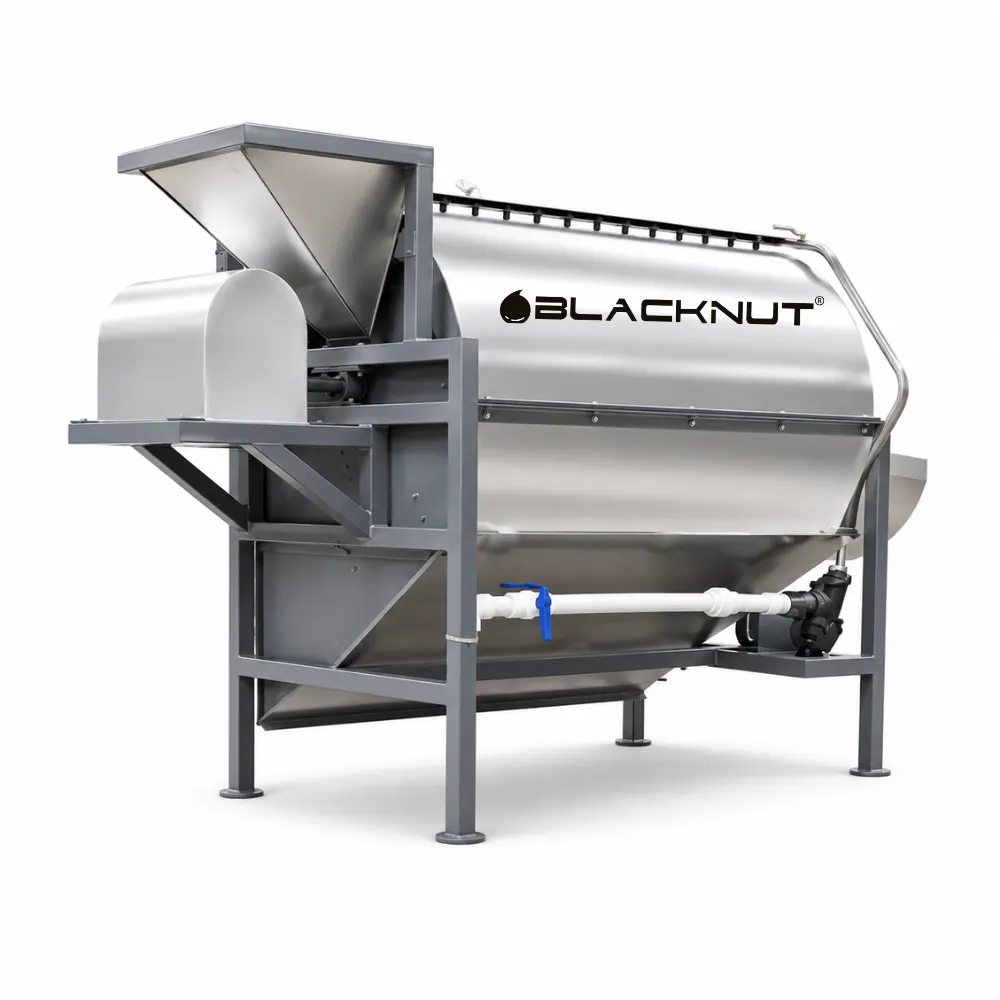
Makhana Processing Plant
View Details
Agricultural Drone
View Details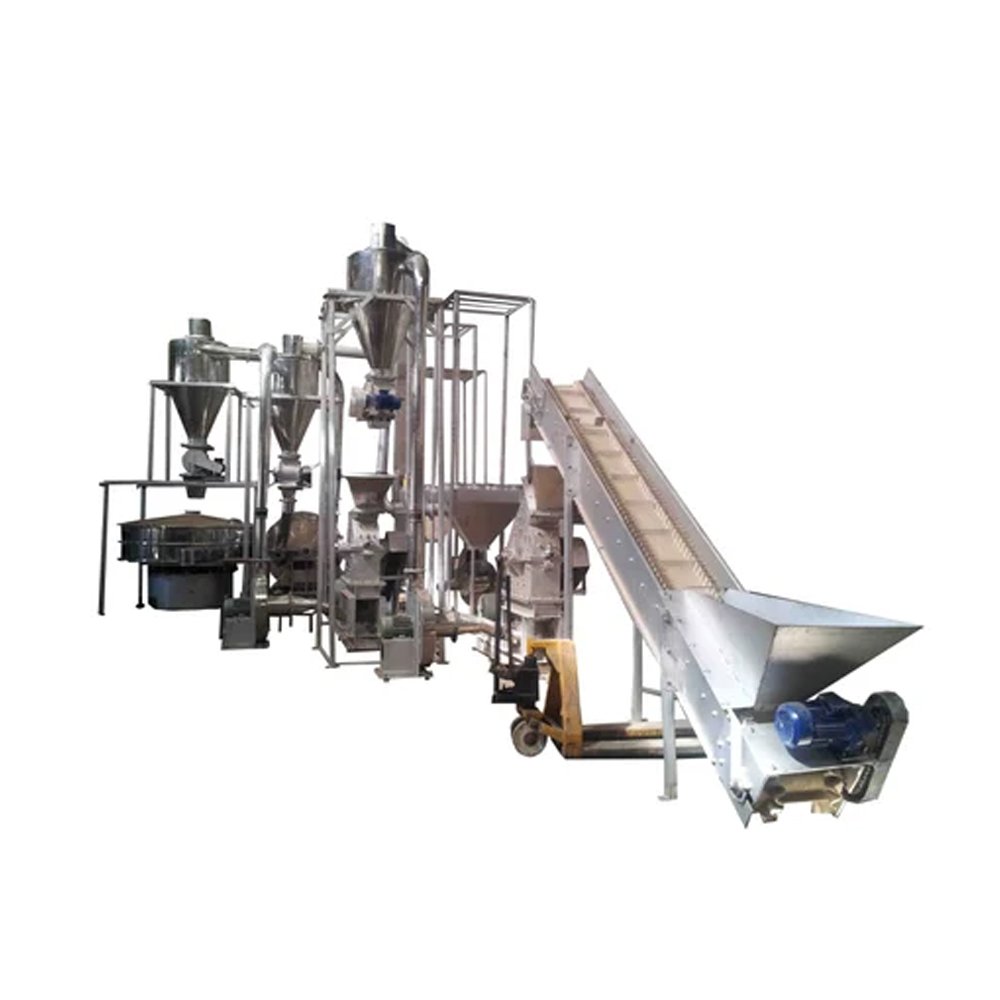
Spice Processing Plant
View Details
Apple Chips Plant
View Details
Fruit & Vegetable Powder Making Plant
View Details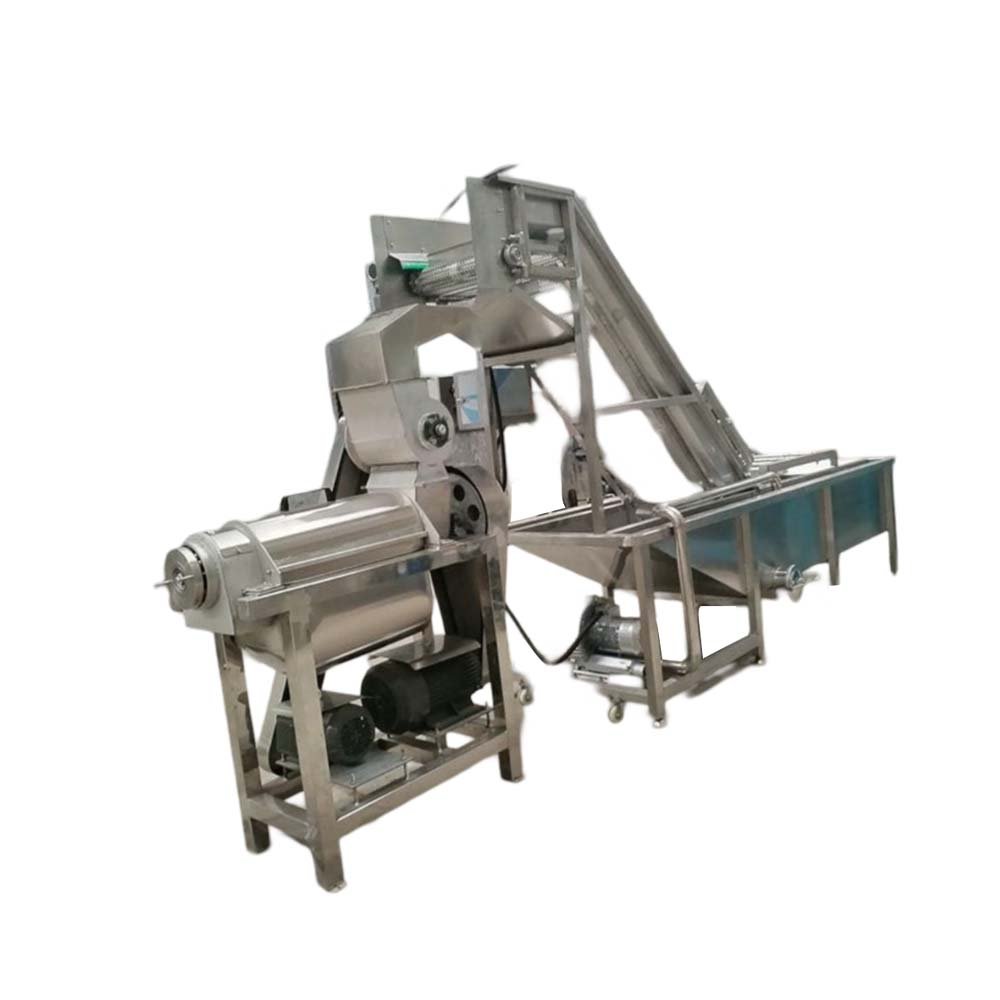
Fruit & Vegetable Pulp, Puree & Paste Making Plant
View Details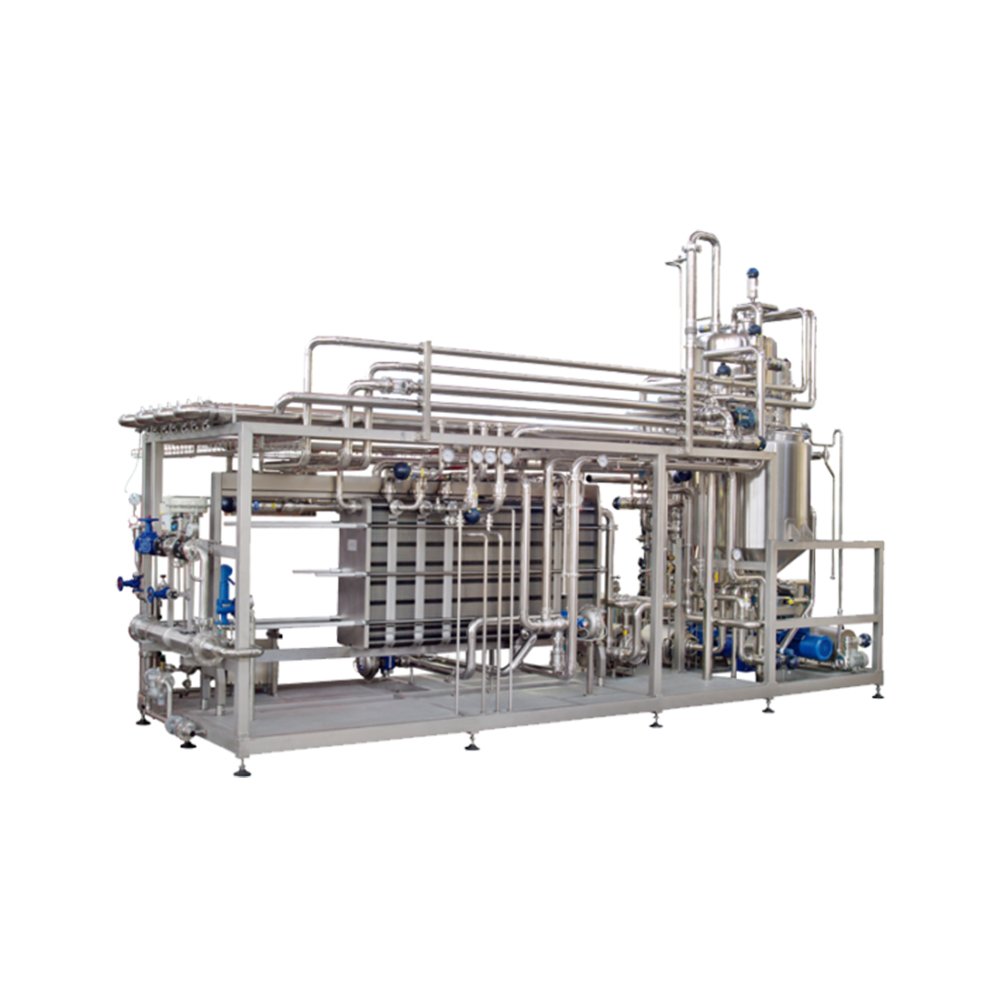
Tomato Ketchup Making Plant
View Details
Ginger Garlic Onion Paste Plant
View Details
Pickle Making Plant
View Details
Fruit and Vegetable Dehydration Plant
View Details
Fruit & Vegetable Grading Machine
View Details
Makhana Popping Plant
View Details
Honey Processing Plant
View Details